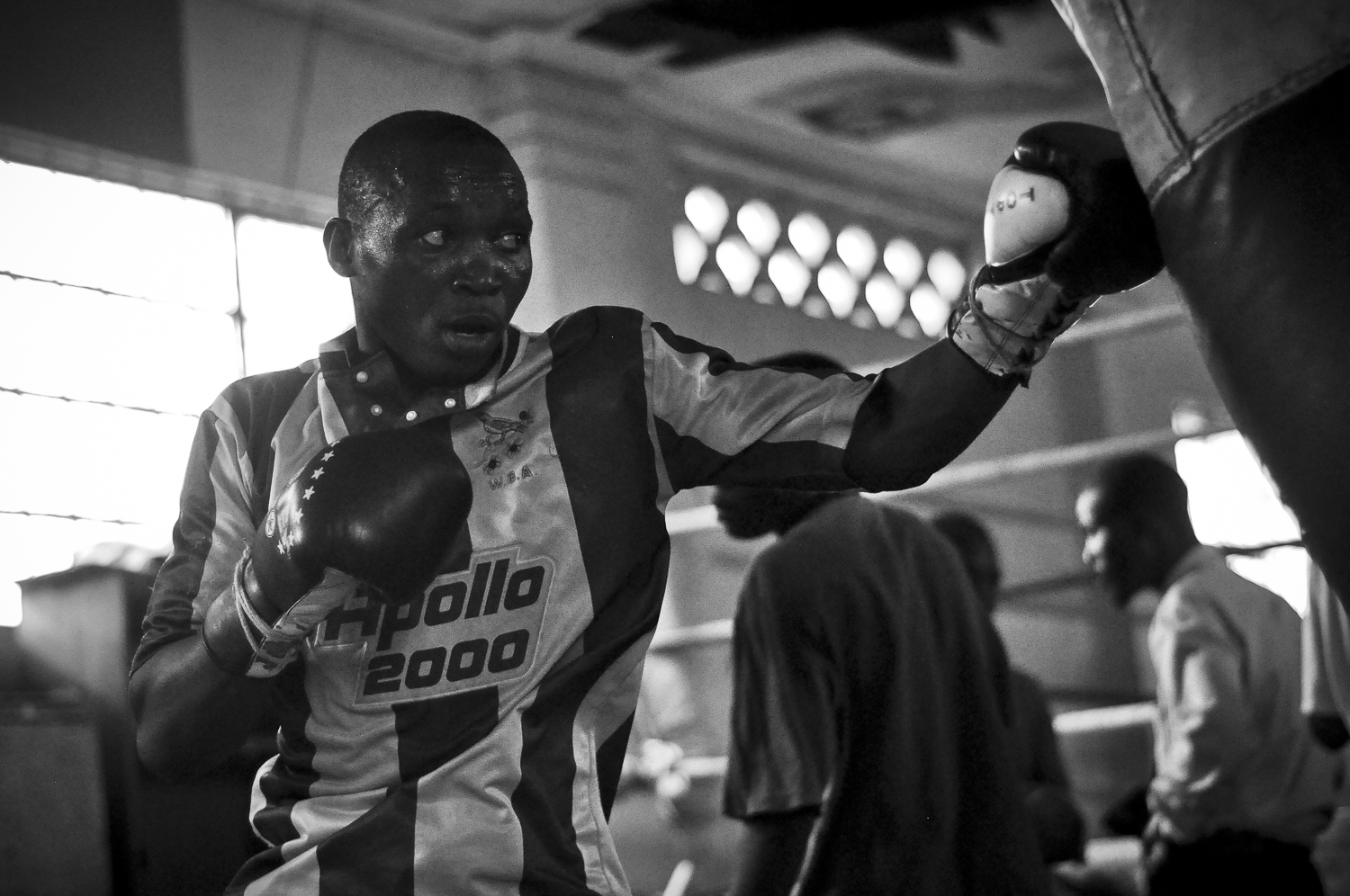
The Thunderous Return of Kenyan Boxing Culture
Walk into any sports bar in Nairobi on a Saturday night, and you’ll witness something remarkable: hundreds of Kenyans crowding around screens, not watching European football or cricket, but local boxing matches featuring fighters they know by name. This isn’t nostalgia for the glory days of Robert Wangila or Nick Simba—this is Kenya’s boxing renaissance in full swing, and it’s reshaping the country’s betting landscape in ways that few anticipated.
The numbers tell a compelling story. According to the Kenya Boxing Commission’s 2026 annual report, local boxing events have increased by 340% since 2022, with over 180 sanctioned fights taking place across the country last year alone. More striking still is the betting volume: platforms like 22 Bet report that wagers on Kenyan boxing matches now account for 23% of all sports betting activity in the country, up from just 4% three years ago.
But what’s driving this surge? The answer lies in a perfect storm of factors: increased media coverage, strategic promotion by local boxing promoters, and perhaps most importantly, the intimate connection Kenyan bettors feel with fighters they can follow from amateur ranks to professional success. Unlike betting on distant Premier League matches, wagering on local boxing creates a sense of community investment that transcends mere gambling.
The Economics Behind Kenya’s Fight Night Explosion
The financial mechanics of Kenya’s boxing boom reveal fascinating insights into how local sports can capture betting markets. Prize purses for main event fighters have jumped from an average of KES 150,000 in 2023 to KES 420,000 in 2026, according to data from the Professional Boxing Association of Kenya. This increase isn’t just about generous promoters—it’s directly tied to betting revenue sharing agreements that didn’t exist five years ago.
“The transformation has been extraordinary,” explains Dr. Margaret Kiprotich, a sports economist at the University of Nairobi who has studied Kenya’s boxing market extensively. “We’re seeing a localized betting ecosystem where the success of fighters directly correlates with increased wagering activity, creating a virtuous cycle that benefits everyone from promoters to venue owners.”
The ripple effects extend beyond the ring. Local venues hosting fight nights report average revenue increases of 180% on event days, with betting-related activities accounting for roughly 60% of total earnings. The Carnivore Restaurant’s monthly “Fists of Fury” events, for instance, now generate more revenue than their traditional weekend entertainment programs, largely due to integrated betting lounges and live odds displays.
Risk Patterns: How Kenyan Bettors Approach Boxing Differently
Analyzing betting patterns on Kenyan boxing reveals behavioral quirks that distinguish local fight wagering from international sports betting. Unlike the calculated, statistics-driven approach many bettors take with football or basketball, boxing betting in Kenya follows more emotional and social patterns that mirror the dynamics found in crash-style games like Aviator or JetX.
The parallel is striking: just as crash game players must decide when to cash out before the multiplier crashes, boxing bettors face similar psychological pressures when deciding whether to hedge their bets during live rounds. Data from the Betting Control and Licensing Board shows that 67% of live boxing bets in Kenya are placed during the first three rounds, with bettors showing remarkable discipline in taking profits early rather than letting emotions drive extended wagering sessions.
This risk management approach has created what industry insiders call “the Kenyan boxing betting style”—characterized by smaller, more frequent wagers spread across multiple betting markets within a single fight. Rather than placing large sums on simple win/lose outcomes, Kenyan bettors prefer combination bets covering round predictions, method of victory, and even specific punch statistics that local broadcasters now track in real-time.
The Technology Revolution in Kenyan Boxing Broadcasting
Technology has played a crucial role in making Kenyan boxing more bettable and accessible. The introduction of high-definition streaming through platforms like Bamba TV has transformed how fights are consumed, with integrated betting features allowing viewers to place wagers without switching applications. This seamless integration has contributed to a 290% increase in in-play betting volume during local boxing events.
Perhaps more importantly, the adoption of advanced statistics tracking has given Kenyan boxing the analytical depth that serious bettors crave. Punch accuracy percentages, power shot ratios, and defensive metrics are now standard features of local broadcasts, providing the data foundation that transforms casual viewing into informed wagering opportunities.
The mobile-first approach of Kenyan boxing promotion has also created unique betting opportunities. Fighter social media followings directly correlate with betting volume—a phenomenon that promoters now actively leverage. Samuel “Thunder” Ochieng, who boasts 340,000 Instagram followers, consistently generates 40% more betting activity than fighters with comparable ring records but smaller social media presence.
Regional Variations and Tribal Dynamics in Boxing Betting
Kenya’s diverse cultural landscape adds fascinating complexity to boxing betting patterns. Regional loyalty plays a significant role, with bettors from specific areas showing strong bias toward fighters sharing their tribal or geographic background. This phenomenon, while creating some predictable betting patterns, has also led to more competitive odds as bookmakers adjust for these loyalties.
The coastal region, particularly Mombasa, shows distinctly different betting preferences compared to Nairobi or western Kenya. Coastal bettors favor technical boxers and are more likely to bet on decision victories, while upcountry regions show preference for knockout artists and aggressive fighting styles. These regional differences have prompted some operators to offer location-specific promotions and odds adjustments.
“Understanding the cultural context is crucial for both promoters and betting operators,” notes James Mwangi, a veteran boxing promoter who has organized over 200 fights across Kenya. “A fighter from Kisumu will naturally draw different betting patterns in western Kenya versus Nairobi, and smart operators factor this into their risk management strategies.”
The Amateur-to-Professional Pipeline and Betting Implications
One of the most intriguing aspects of Kenya’s boxing betting boom is how amateur boxing success translates into professional betting interest. The Kenya Amateur Boxing Association reports that fighters with strong amateur records generate 65% more betting volume in their professional debuts compared to fighters without amateur pedigree—a statistic that has prompted betting operators to expand coverage of amateur tournaments.
This amateur-professional connection creates unique arbitrage opportunities for knowledgeable bettors who follow the amateur circuit closely. Fighters who dominate at the amateur level often enter professional boxing with inflated odds, as bookmakers struggle to accurately price fighters with limited professional data but extensive amateur success.
The East Africa Boxing Championships, held annually in different regional countries, have become unexpected goldmines for Kenyan boxing betting. Kenyan fighters’ performances in these tournaments now serve as leading indicators for their professional prospects, with savvy bettors using amateur results to identify value bets in early professional careers.
International Crossover and Global Market Integration
Kenya’s boxing renaissance hasn’t occurred in isolation. The country’s fighters are increasingly competing internationally, creating cross-border betting opportunities that didn’t exist five years ago. When Kenyan fighters compete in Tanzania, Uganda, or South Africa, Kenyan betting volume follows them, creating regional betting networks that transcend national boundaries.
This international dimension has attracted global betting operators who recognize Kenya’s potential as a boxing betting hub for East Africa. The integration of Kenyan boxing into international betting markets has led to more sophisticated odds compilation and risk management, elevating the overall quality of boxing betting products available to Kenyan consumers.
The success of fighters like Mary Wanjiru, who recently signed with a major international promotion company, demonstrates how local boxing success can scale globally. Her fights now attract betting interest from multiple countries, with Kenyan operators offering special markets that cater to local knowledge and cultural connections that international bookmakers cannot match.
Future Trajectories and Market Evolution
Looking ahead, Kenya’s boxing betting market shows signs of continued evolution and sophistication. The planned construction of a dedicated boxing arena in Nairobi, scheduled for completion in 2027, will provide a permanent home for major boxing events and create new opportunities for integrated betting experiences.
Regulatory developments also suggest a maturing market. The Betting Control and Licensing Board has proposed new guidelines specifically for combat sports betting, including mandatory fighter medical disclosures and enhanced integrity monitoring systems. These measures, while adding compliance costs, should increase bettor confidence and attract more serious wagering activity.
The integration of artificial intelligence in odds compilation and the potential introduction of virtual reality viewing experiences could further revolutionize how Kenyans engage with boxing betting. As the market matures, we’re likely to see more sophisticated betting products that blend the excitement of live boxing with the strategic depth that Kenyan bettors have demonstrated they appreciate.
The trajectory seems clear: Kenya’s boxing betting market is evolving from a niche activity into a significant component of the country’s sports betting ecosystem, driven by authentic local engagement and supported by technological innovation that makes the sport more accessible and bettable than ever before.