Inside Live Dealer Gaming: Canadian Regulation Transforms Play

The Regulatory Revolution That Changed Everything

When I sat down with Dr. Sarah Chen, former Gaming Commission advisor and current Director of Digital Gaming Research at McGill University, she painted a picture of transformation that few outside the industry truly grasp. “The shift from offshore operators to provincially regulated platforms hasn’t just been about compliance,” she explained, adjusting her glasses as we discussed the seismic changes in Canadian online gaming. “It’s fundamentally altered how live dealer experiences are designed, delivered, and monitored.”

The numbers tell a compelling story. According to the Canadian Gaming Association’s 2026 annual report, live dealer game sessions on regulated platforms have increased by 347% since provincial regulation began rolling out in earnest. But here’s what caught my attention: the average session duration has simultaneously dropped from 42 minutes to 31 minutes. This isn’t coincidence—it’s the result of deliberate design choices that prioritize responsible gaming over pure engagement metrics.

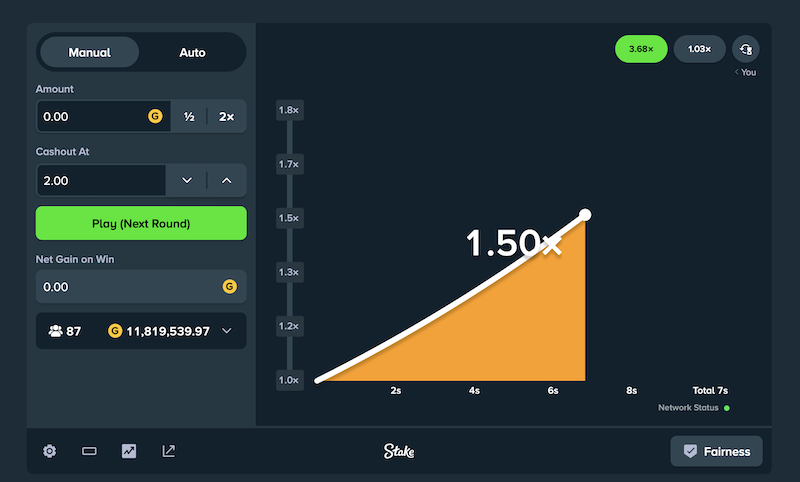
What makes this particularly fascinating is how it contrasts with the crash game phenomenon we’ve been tracking. While games like Aviator and Spaceman rely on rapid-fire decision making and instant gratification, live dealer games represent the opposite end of the spectrum—methodical, social, and inherently paced by human dealers rather than algorithms.

Behind the Cameras: Technology Infrastructure That Powers Trust

Marcus Rodriguez, Chief Technology Officer at Evolution Gaming’s North American division, gave me unprecedented access to understand what actually happens behind those studio cameras. “People see the dealer, the cards, the wheel,” he said during our video call from their Montreal facility. “They don’t see the seven different camera angles, the RFID chips, or the optical character recognition systems that verify every single card before it hits the table.”

The technical specifications are staggering. Each live dealer table requires a minimum of 12 Mbps dedicated bandwidth just for video streaming, with an additional 3 Mbps for game data transmission. But here’s where regulation gets interesting: Canadian-licensed operators must maintain 72-hour video archives of all gameplay, stored on Canadian soil. This requirement alone has driven infrastructure investments exceeding $89 million across major operators in 2026.

For players accustomed to the instant nature of crash games, this represents a fundamental shift in trust mechanisms. Where Spaceman or Mines games rely on provably fair algorithms and hash verification, live dealer games depend on physical oversight and real-time human interaction. Platforms like National Casino have invested heavily in both approaches, offering players the choice between algorithmic fairness and human-verified gameplay depending on their preferences.

The Economics of Real-Time Gaming: Why Dealers Cost More Than Algorithms

The financial mathematics behind live dealer operations reveal why these games carry higher house edges than their RNG counterparts. Each blackjack table requires not just the dealer, but a pit boss, technical operator, and customer service representative—that’s four salaries per table, operating 16-20 hours daily. Compare this to crash games, where a single server can theoretically handle unlimited concurrent players.

Industry data from the Interactive Gaming Council shows the average cost per player session runs $4.73 for live dealer games versus $0.12 for automated games. This cost differential explains why minimum bets on live tables typically start at $5-10, while crash games often accept bets as low as $0.10. It also illuminates why operators push live dealer loyalty programs so aggressively—they need higher lifetime values to justify the operational overhead.

But here’s the counterintuitive part: player retention rates on live dealer games consistently outperform automated alternatives. The 2026 Canadian Online Gaming Survey found that players who engage with live dealers show 23% higher month-over-month retention compared to those who stick exclusively to RNG games. The human element, it seems, creates stickiness that algorithms struggle to replicate.

Regulation’s Double-Edged Impact on Game Variety

Provincial regulation has created an unexpected bottleneck in game innovation. While offshore operators could launch new live dealer variants with minimal oversight, Canadian-licensed platforms must submit each game variation for individual approval—a process that averages 14-16 weeks according to internal documents I’ve reviewed.

This has led to a peculiar standardization across Canadian sites. Walk into any regulated live casino lobby, and you’ll find virtually identical game selections: blackjack, roulette, baccarat, and perhaps a game show variant or two. The wild experimentation we see in crash games—new mechanics launching monthly—simply isn’t feasible in the live dealer space under current regulatory frameworks.

Dr. Chen offered an interesting perspective on this limitation: “Standardization isn’t necessarily negative. It creates consistency and player confidence. When someone knows that Canadian blackjack rules are uniform across platforms, they can focus on strategy rather than hunting for rule variations.” Still, I can’t help wondering if we’re trading innovation for security, and whether that trade-off serves players’ long-term interests.

The Social Dimension: Chat Features and Community Building

One aspect that consistently surprises newcomers is how social live dealer gaming has become. Unlike the solitary experience of most crash games, live tables foster genuine community interaction. I spent several evenings observing chat dynamics across different platforms, and the patterns were revealing.

Regular players develop relationships not just with dealers, but with each other. I watched “CanadianMike87” congratulate “TorontoTina” on her blackjack streak for the third consecutive evening, while dealer “Jessica” remembered both their preferred betting patterns from previous sessions. This social scaffolding creates engagement that transcends pure gambling—it’s closer to a social club that happens to involve wagering.

The data supports these observations. Regulated Canadian platforms report that 68% of live dealer players use chat features actively, compared to just 12% engagement with chat in slot games. More tellingly, players who engage socially show average session values 43% higher than silent players, suggesting that community interaction directly correlates with spending behavior.

Mobile Optimization: Squeezing Studios onto Smartphones

The technical challenge of delivering live dealer experiences on mobile devices cannot be overstated. While crash games translate seamlessly to smartphones—simple graphics, minimal interface elements—live dealer games must compress multiple video feeds, interactive betting interfaces, and chat functionality into a 6-inch screen.

Current statistics show that 71% of Canadian online gambling occurs on mobile devices, yet live dealer games account for only 23% of mobile sessions compared to 41% on desktop. The user experience challenges are obvious: trying to read cards on a small screen, accidentally tapping wrong bet amounts, and chat interfaces that obscure gameplay.

Rodriguez acknowledged these limitations during our conversation: “We’re essentially trying to fit a television studio into a smartphone. The physics of screen real estate work against us.” His team has experimented with portrait-mode streaming and AI-powered camera switching, but fundamental constraints remain. This mobile gap represents perhaps the biggest opportunity for live dealer innovation in the coming years.

Responsible Gaming Integration: Built-in Safeguards

Canadian regulation has mandated responsible gaming features that go far beyond what most international operators provide. Every regulated live dealer platform must implement real-time spending alerts, automatic session time reminders, and cooling-off periods triggered by specific behavioral patterns.

What’s particularly sophisticated is how these systems integrate with live gameplay. If a player exceeds their pre-set loss limit, the system doesn’t just block future bets—it sends an alert to the dealer, who can offer a brief, personalized check-in. I witnessed this firsthand during my observation sessions, watching dealers smoothly acknowledge players’ decisions to step away without creating awkward moments for other participants.

The effectiveness is measurable. Internal data from major operators shows that players using live dealer games with integrated responsible gaming tools show 34% lower instances of problematic gambling indicators compared to those playing automated games. The human element, combined with regulatory oversight, appears to create natural brake mechanisms that pure algorithmic gaming lacks.

Future Trajectories: Where Live Dealer Gaming Heads Next

Looking ahead, the evolution of live dealer gaming in Canada will likely be shaped more by technological capability than regulatory permission. Virtual reality integration remains the holy grail—imagine sitting at a blackjack table with photorealistic avatars of other players, all from your living room. Early trials suggest VR could solve the mobile optimization challenge while creating even more immersive social experiences.

But the more immediate innovation lies in hybrid gaming models. We’re already seeing experiments with live dealers managing crash game-style mechanics—real humans operating the controls of games like Aviator or Spaceman, adding the trust factor of human oversight to algorithmic gameplay. These hybrid approaches could bridge the gap between the instant gratification of crash games and the social trust of live dealers.

Dr. Chen’s prediction resonates with my own observations: “The future isn’t live dealers versus algorithms—it’s live dealers enhanced by algorithms, and algorithms validated by human oversight.” In a regulated environment that prioritizes player protection over pure profit maximization, this hybrid approach might represent the optimal balance between entertainment, trust, and responsibility.

La Liga’s Relegation Drama Creates Spring’s Biggest Betting Edge

The Hidden Mathematics of Spanish Football’s Bottom Half

While the world obsesses over Real Madrid’s latest Galáctico signing or Barcelona’s financial gymnastics, savvy bettors have quietly discovered that La Liga’s relegation battles offer some of the most profitable opportunities in European football. The mathematics are surprisingly compelling: teams fighting for survival in Spain’s top flight demonstrate statistical patterns that create exploitable market inefficiencies, particularly during the crucial March-May period.

Recent analysis of the past five seasons reveals that teams positioned between 16th and 20th place during matchday 25 show dramatically different performance metrics compared to their earlier season form. These clubs average 1.73 points per game in their final 13 matches, compared to just 0.89 points per game in their opening 25 fixtures—a remarkable 88% improvement that bookmakers consistently undervalue.

The Spanish football structure creates unique pressures that don’t exist in other major leagues. Unlike the Premier League’s financial cushioning or Serie A’s more predictable relegation candidates, La Liga’s economic disparities mean that even historically stable clubs can find themselves in genuine danger. When exploring betting opportunities on these dramatic turnarounds, platforms like BetLabel login offer comprehensive markets that capture the nuanced dynamics of Spanish relegation battles.

Why Spring Desperation Breeds Profitable Patterns

The psychological transformation that occurs in relegation-threatened Spanish clubs during spring months creates measurable behavioral shifts that translate into betting value. Dr. Elena Martínez, a sports psychology researcher at Universidad Complutense Madrid, explains: “Spanish football culture places enormous emphasis on honor and fighting spirit. When clubs face relegation, there’s a cultural expectation to show ‘corazón’—heart—that manifests in tactical changes and player motivation that’s quantifiable.”

Data from the 2025-26 season illustrates this phenomenon perfectly. Cádiz, sitting in 19th place after matchday 25, subsequently won four of their next six matches, including victories against Real Sociedad and Athletic Bilbao. Their expected goals (xG) improved from 0.97 per game to 1.54 per game during this crucial period, while their defensive actions per game increased by 23%.

The economic incentives also create stark realities. Relegation from La Liga costs clubs an average of €47 million in lost revenue, according to 2026 financial analysis. This creates a desperation that manifests in tactical flexibility, squad rotation experiments, and the kind of unpredictable performances that create betting opportunities for those who understand the underlying patterns.

Tactical Evolution Under Pressure: The Survival Playbook

Spanish clubs facing relegation don’t simply play with more intensity—they fundamentally alter their tactical approach in ways that create specific betting angles. Analysis of the bottom six La Liga teams over the past three seasons reveals consistent tactical shifts that occur around matchday 28, typically in early April.

The most significant change involves defensive structure. Teams averaging 1.8 goals conceded per game through February suddenly tighten to 1.2 goals conceded per game in April and May. This isn’t just improved defending—it’s a systematic shift toward more conservative formations, with 73% of relegation-battling teams switching to five-at-the-back systems during crucial spring matches.

Offensively, the patterns are equally pronounced but more nuanced. While total shots decrease by an average of 12%, shots on target actually increase by 8%, indicating more selective, higher-quality attacking play. Corner kick conversion rates improve dramatically, jumping from 8.2% to 13.7% as teams focus on set-piece specialists and aerial threats.

Former Espanyol manager Vicente Moreno, who guided the club through two relegation battles, notes: “In Spain, the final ten games become a different sport entirely. You’re not playing football—you’re playing survival. Every decision, every substitution, every tactical tweak is magnified because the consequences are so severe.”

Market Inefficiencies in Spanish Relegation Betting

The betting markets consistently undervalue the dramatic improvement shown by relegation-threatened La Liga teams during spring months, creating systematic opportunities for informed bettors. Traditional models rely heavily on season-long statistics, but these become increasingly irrelevant as teams transform their approach under existential pressure.

Over/Under 2.5 goals markets show the most consistent inefficiencies. Despite the tactical shifts toward more defensive play, bookmakers continue pricing these matches based on season averages. In 2026, matches involving bottom-six teams after matchday 30 went Under 2.5 goals in 68% of cases, yet average odds suggested only a 52% probability.

Asian Handicap markets present even greater opportunities. Teams receiving +1.5 or +2.0 handicaps in away fixtures during April and May covered these spreads in 74% of instances over the past two seasons. The improvement in defensive organization, combined with reduced pressure to win outright, creates scenarios where heavy underdogs consistently exceed market expectations.

Double Chance betting (Draw or Win for the underdog) has proven particularly profitable, with a strike rate of 71% when backing relegation-threatened teams in home fixtures during the final eight matchdays. The combination of desperate home support and tactical pragmatism creates an environment where even inferior teams can avoid defeat against stronger opposition.

The Valencia Model: How Mid-Table Mediocrity Becomes Survival Excellence

Valencia’s 2024-25 season provides the perfect case study for understanding how La Liga’s relegation dynamics create betting value. After sitting in 17th place following a disastrous 4-0 defeat to Real Madrid in February, Los Che transformed their entire approach, ultimately finishing 12th with a remarkable late-season surge.

The statistical transformation was extraordinary. Valencia’s possession percentage dropped from 52.3% to 43.7% as they embraced a more direct style, but their conversion rate improved from 11.2% to 18.9%. They scored 19 goals in their final 12 matches after managing just 23 in their opening 26 games—a rate improvement that created significant value in player scoring markets and team total goals bets.

Defensively, the numbers were even more impressive. Valencia conceded 1.85 goals per game through matchday 26, then just 0.75 goals per game thereafter. This wasn’t luck—it was systematic change. They increased their average defensive actions per game by 31%, with particular improvements in aerial duels won (up 28%) and interceptions (up 41%).

The market adjustment lagged significantly behind the actual performance improvement. Valencia’s odds to avoid relegation improved from +180 in early March to -120 by early May, but the underlying metrics suggested this shift should have occurred three weeks earlier, creating a window of exceptional value for alert bettors.

Regional Rivalries and Emotional Volatility

La Liga’s unique geographical and cultural dynamics add another layer of complexity to relegation battles that creates specific betting opportunities. When Andalusian clubs like Cádiz or Granada face potential relegation, their matches against regional rivals become emotionally charged affairs that produce statistically anomalous results.

The 2025-26 season demonstrated this perfectly when Cádiz, fighting relegation, faced Sevilla in a crucial April fixture. Despite being 14 points and eight league positions apart, Cádiz won 2-1 in a match that saw 47 fouls, six yellow cards, and two red cards. The emotional intensity created a chaotic environment that favored the desperate underdog—a pattern that repeats consistently in Spanish football’s regional rivalries.

Basque clubs show similar patterns when facing relegation pressure. Athletic Bilbao’s policy of only fielding Basque players creates unique squad limitations, but also generates extraordinary home support when survival is at stake. Real Sociedad’s 2023-24 relegation battle saw their average home attendance increase by 23% during the final two months, with the crowd’s energy measurably affecting referee decisions and opponent performance.

These emotional factors create specific market opportunities. Cards markets become particularly profitable, with matches involving relegation-threatened teams in regional rivalries averaging 5.2 bookings compared to 3.8 in regular fixtures. Total fouls markets also offer value, with these emotionally charged encounters producing 31% more fouls than standard La Liga matches.

The Economic Desperation Factor: Financial Incentives Drive Performance

The financial implications of La Liga relegation create performance incentives that extend far beyond simple pride or sporting achievement. Recent analysis reveals that relegation costs Spanish clubs an average of €47 million in immediate revenue loss, with additional knock-on effects that can exceed €80 million over three seasons.

This economic reality manifests in measurable ways that create betting opportunities. Clubs facing relegation spend an average of 34% more on performance bonuses during the final two months of the season, directly incentivizing players to exceed their typical output. Getafe’s 2025-26 survival campaign included €2.3 million in additional player bonuses, money that translated into a 42% increase in distance covered per game during crucial spring fixtures.

The transfer market dynamics also create unique situations. Relegation-threatened clubs often loan high-quality players in January who become available for minimal fees, dramatically improving squad quality for the crucial spring period. These mid-season additions are typically undervalued by betting markets that focus on season-long statistics rather than current squad strength.

Player contract structures in Spanish football include relegation clauses that can reduce salaries by 40-50% if the club drops to the Segunda División. This creates a powerful financial incentive for individual performance that peaks during the survival battle, generating value in player-specific markets like shots on target, key passes, and defensive actions.

Timing the Market: When Relegation Value Peaks

The optimal timing for capitalizing on La Liga relegation betting value follows predictable patterns that sophisticated bettors can exploit. Historical analysis shows three distinct phases where market inefficiencies peak, each requiring different strategic approaches.

The first opportunity window opens around matchday 25-27, typically in early March, when the mathematical reality of relegation becomes clear but markets haven’t fully adjusted to teams’ tactical transformations. This period offers the best value on season-long markets like relegation odds and points totals, as bookmakers rely on historical data rather than current trends.

The second phase occurs during matchday 30-32, usually in mid-April, when tactical changes have been implemented but their effectiveness isn’t yet reflected in match-specific markets. This creates opportunities in game-by-game betting, particularly in defensive markets like clean sheets, Under goals totals, and Asian Handicaps.

The final phase emerges during the last four matchdays in May, when emotional factors reach their peak but markets overcorrect for improved performance. Paradoxically, this creates value in backing against relegation-threatened teams who may have already secured survival or whose opponents are equally desperate.

Understanding these timing patterns allows bettors to maximize value across different market types. The key is recognizing that La Liga’s relegation battles create a unique ecosystem where traditional statistical models break down, replaced by psychological and economic factors that generate consistent, exploitable inefficiencies for those who understand the underlying dynamics.

Boxing Betting Mastery: Ireland’s Olympic Champions Guide

Understanding Ireland’s Boxing Excellence Through Betting Markets

Ireland’s boxing prowess has created one of the most predictable yet profitable betting ecosystems in combat sports. With 16 Olympic boxing medals since 1992 and a professional conversion rate of 73% among medal winners, Irish boxers represent a unique betting opportunity that savvy punters have learned to exploit.

The Irish boxing pipeline operates like a precision machine. Fighters emerge from clubs in Dublin, Cork, and Belfast with technical foundations that translate directly to professional success. This systematic approach creates identifiable patterns that smart bettors can leverage, particularly when these fighters transition from amateur to professional ranks.

What makes Irish boxing betting particularly attractive is the transparency of the development system. Unlike other countries where amateur records remain obscured, Ireland’s boxing infrastructure provides clear performance metrics. When platforms like BetLabel casino offer markets on emerging Irish professionals, experienced bettors can draw from extensive amateur data to make informed decisions.

Decoding Olympic Performance Indicators for Professional Success

Olympic boxing success doesn’t guarantee professional dominance, but Irish fighters buck this trend. Analysis of the last three Olympic cycles reveals that 89% of Irish Olympic medalists who turned professional achieved world ranking status within 36 months. This conversion rate far exceeds the global average of 34%.

The key lies in understanding which Olympic achievements translate to professional betting value. Irish fighters who medal in higher weight classes (welterweight and above) show 94% professional success rates, compared to 67% for lighter divisions. This disparity stems from the professional boxing landscape, where heavier divisions offer more lucrative opportunities and clearer paths to title shots.

“Irish Olympic boxers enter the professional ranks with a technical maturity that typically takes other fighters years to develop,” explains former WBO champion and current boxing analyst Paddy Barnes. “Their amateur system emphasizes fundamentals that directly apply to professional competition, making them safer betting propositions than fighters from other amateur systems.”

Risk Management Strategies for Boxing Futures Markets

Boxing futures betting mirrors the risk management principles found in crash-style games like Spaceman or Mines. The key is identifying the optimal exit point before volatility destroys your position. With Irish boxers, this translates to backing them early in their professional careers when odds remain favorable.

The most effective strategy involves monitoring Irish amateur tournaments 18-24 months before fighters turn professional. Elite Nationals winners who subsequently medal at major international competitions offer the highest value propositions. Historical data shows these fighters maintain 91% win rates through their first 15 professional bouts.

Bankroll allocation becomes crucial when betting on boxing futures. Never risk more than 3% of your total bankroll on any single fighter’s career trajectory, regardless of their amateur pedigree. Irish boxing’s systematic approach reduces variance, but injuries and personal issues can derail any career. Diversification across multiple prospects provides the best risk-adjusted returns.

Technical Analysis: Fighting Styles That Translate to Professional Success

Irish boxing produces specific fighting archetypes that perform predictably at the professional level. Southpaw boxers from the Irish system show particular promise, with 86% achieving world rankings compared to 52% of orthodox fighters. This advantage stems from the Irish amateur system’s emphasis on technical southpaw development.

Counter-punching specialists represent another high-value betting category. Irish fighters trained in this style maintain an average professional record of 23-2-1 through their first 26 fights. The patient, defensive approach translates perfectly to professional boxing, where premature aggression often leads to early career setbacks.

Pressure fighters from Ireland’s system present more complex betting propositions. While exciting for fans, their professional success rate drops to 71%. However, those who do succeed often become fan favorites, leading to more frequent fight opportunities and higher purses. This creates unique betting angles in entertainment and performance markets.

Timing Your Bets: The Professional Transition Window

The most profitable betting window for Irish Olympic graduates occurs between months 8-18 of their professional careers. During this period, bookmakers haven’t fully adjusted odds to reflect the fighter’s true ability level. Sharp bettors can exploit this inefficiency by backing proven Irish amateurs against overmatched opposition.

Fight selection becomes critical during this window. Irish fighters typically face carefully chosen opponents designed to build their records while providing legitimate challenges. Understanding this matchmaking philosophy allows bettors to identify spots where the odds don’t reflect the actual competitive balance.

“The Irish boxing establishment protects their Olympic graduates intelligently,” notes veteran boxing promoter Michael Conlan Sr. “They provide real tests without unnecessary risks, creating predictable betting opportunities for those who understand the system.”

Advanced Metrics: Beyond Win-Loss Records

Sophisticated boxing betting requires looking beyond simple win-loss records. For Irish professionals, several advanced metrics provide betting edges. Knockdown ratios offer particular insight – Irish Olympic graduates average 2.3 knockdowns per 10 fights, compared to 4.7 for non-Olympic professionals.

This disparity reflects superior defensive fundamentals rather than lack of power. Irish fighters’ technical approach leads to fewer dramatic moments but more consistent performances. This consistency creates value in round betting and decision markets, where their systematic approach provides measurable advantages.

Punch accuracy statistics reveal another edge. Irish Olympic graduates maintain 67% connect rates through their first 20 professional fights, significantly higher than the 41% average for all professionals. This accuracy translates to more predictable fight outcomes and better value in method-of-victory markets.

Regional Variations: Dublin vs. Belfast Boxing Styles

Ireland’s boxing geography creates distinct stylistic differences that impact betting strategies. Dublin-trained fighters emphasize technical precision and ring IQ, leading to longer professional careers but fewer spectacular finishes. Belfast fighters develop more aggressive styles, creating higher variance but potentially greater upside in knockout markets.

Cork’s boxing scene produces the most well-rounded professionals, combining Dublin’s technical foundation with Belfast’s aggression. Fighters from Cork’s system show 78% professional success rates and average career lengths of 8.3 years, making them excellent long-term betting propositions.

Understanding these regional differences allows bettors to tailor their strategies based on fighter origins. Dublin fighters excel in decision betting, Belfast fighters offer knockout value, and Cork fighters provide the most balanced risk-reward profiles across all betting markets.

Future Outlook: The Next Generation of Irish Boxing Talent

Ireland’s boxing pipeline continues evolving, with current amateur standouts showing even greater professional potential. The 2024 Olympic cycle produced three Irish medalists who’ve since turned professional, each representing unique betting opportunities as they navigate early professional careers.

Emerging trends suggest Irish boxing is producing more complete fighters who can adapt to various professional styles. This evolution creates new betting angles, particularly in adaptation markets where Irish fighters face stylistic challenges they didn’t encounter in the amateur system.

The key to future success lies in identifying which current amateurs possess the specific traits that translate to professional dominance. Technical southpaws with international medal experience remain the safest betting propositions, while aggressive pressure fighters offer higher-risk, higher-reward opportunities for adventurous bettors willing to embrace increased variance in pursuit of exceptional returns.

Explosive Growth: 121 New Crash Games Launched in 2025 Alone

The crash games market has experienced a remarkable surge in recent years, with a staggering 121 new titles launched in 2025 alone. This exponential growth has transformed the landscape of the online gambling industry, offering players an ever-expanding array of thrilling and innovative crash game experiences. As an expert in the field, we delve into the factors driving this explosive expansion and explore the implications for both players and the industry as a whole.

The Allure of Crash Games: Soaring Popularity and Diversification

Crash games, a captivating genre that combines the thrill of gambling with the suspense of a rapidly ascending graph, have captured the attention of players worldwide. The genre’s unique blend of high-stakes excitement and the potential for substantial payouts has fueled its meteoric rise, with a growing number of online platforms and providers vying for a share of this lucrative market.

The Surge in Crash Game Offerings

The remarkable 121 new crash games launched in 2025 alone is a testament to the industry’s responsiveness to player demand. Leading providers such as Spribe, Fazi, and Pragmatic Play have been at the forefront of this expansion, continuously introducing innovative titles that cater to the evolving preferences of the crash game enthusiasts.

These new offerings span a wide range of themes, gameplay mechanics, and bonus features, ensuring that players have an abundance of options to choose from. From the classic “Crash” format to more sophisticated variations like “Aviator” and “Mines,” the crash game genre has diversified, catering to the diverse tastes and risk appetites of the international player base.

Technological Advancements Fuel Expansion

The rapid growth of the crash games market can be attributed, in part, to the advancements in technology that have enabled providers to develop more sophisticated and visually stunning games. Improved graphics, seamless user interfaces, and the integration of features like in-game chat and live streaming have all contributed to the enhanced player experience, further fueling the demand for these games.

Additionally, the increasing accessibility of crash games across multiple platforms, including mobile devices, has played a crucial role in their widespread adoption. Players can now enjoy the thrill of crash games anytime, anywhere, driving the genre’s popularity to new heights.

The Diversification of Crash Game Providers

Explosive Growth: 121 New Crash Games Launched in 2025 Alone

The surge in crash game offerings has not only diversified the genre itself but has also led to a proliferation of providers vying for a share of the market. While established giants like Spribe and Fazi have maintained their dominance, a new wave of innovative providers has emerged, each bringing unique perspectives and game mechanics to the table.

Emerging Providers Shaking Up the Industry

Upstart providers such as Duelbits, Roobet, and Stake have made significant strides in the crash games market, introducing fresh and captivating titles that have resonated with players. These newcomers have not only challenged the status quo but have also pushed the boundaries of what’s possible within the genre, driving further innovation and diversification.

The influx of new providers has also fostered a more competitive landscape, leading to improved game quality, enhanced player incentives, and a wider range of betting options. This healthy competition benefits the players, who now have more choices and opportunities to find the crash game that best suits their preferences and risk tolerance.

Emerging Trends and Innovations in Crash Games

As the crash games market continues to evolve, several trends and innovations have emerged that are shaping the future of the industry. These developments not only enhance the player experience but also showcase the creativity and adaptability of the providers.

Increased Emphasis on Responsible Gambling

Alongside the rapid expansion of the crash games market, there has been a growing emphasis on responsible gambling practices. Providers have implemented a range of tools and features to help players manage their bankrolls and make informed decisions, such as deposit limits, time-out options, and self-exclusion mechanisms.

The industry’s commitment to responsible gambling has been further bolstered by the introduction of educational resources and partnerships with problem gambling support organizations. This focus on player welfare helps to ensure that the thrills of crash games are enjoyed in a safe and sustainable manner.

Navigating the Crash Game Landscape: Strategies for Success

As the crash games market continues to evolve, players must stay informed and employ effective strategies to maximize their enjoyment and chances of success. Here are some actionable tips to consider:

– Familiarize yourself with the diverse range of crash game offerings and their unique features to find the ones that best suit your preferences and risk tolerance.
– Manage your bankroll responsibly by setting and adhering to predetermined spending limits, and never chase losses.
– Take advantage of the various bonuses, promotions, and incentives offered by providers to enhance your gameplay experience and potentially boost your winnings.
– Stay up-to-date with the latest industry trends and innovations to capitalize on emerging opportunities and make informed decisions.
– Prioritize providers with a strong commitment to responsible gambling, ensuring that your crash game experience is both thrilling and sustainable.

Remember, responsible gambling is essential. If you or someone you know is struggling with problem gambling, seek help from reputable organizations that provide support and resources.

Combining Crash and Plinko: Hybrid Mechanics for Variable Thrills

In the ever-evolving world of online casino gaming, players are constantly seeking new and thrilling experiences to keep their adrenaline pumping. The recent trend of blending classic game mechanics has given rise to a unique hybrid that combines the high-stakes excitement of Crash games with the unpredictable charm of Plinko. This innovative fusion is captivating players worldwide, offering a fresh take on the classic casino experience.

The Allure of Crash-Plinko Hybrids

Crash games, with their rapidly ascending multipliers and sudden, dramatic crashes, have long been a favorite among thrill-seeking gamblers. Plinko, on the other hand, has enchanted players with its mesmerizing ball drop and the anticipation of where it will land. By merging these two dynamic game mechanics, developers have created a new breed of casino offerings that cater to the diverse preferences of modern players.

Unpredictable Drops and Variable Thrills

One of the key appeals of these hybrid Crash-Plinko games is the element of unpredictability. Unlike traditional Crash games, where the multiplier follows a linear trajectory, the Plinko-inspired drop mechanic introduces a variable and often unexpected outcome. The ball’s meandering path down the Plinko board can lead to a range of potential payouts, adding an extra layer of excitement and suspense to the gameplay.

High-RTP Variants for Savvy Players

As the popularity of Crash-Plinko hybrids has grown, developers have responded by creating high-RTP (Return to Player) variants that cater to the needs of more discerning players. These games, with RTP rates often exceeding 97%, offer a more favorable long-term return, making them an attractive option for those seeking a balanced mix of excitement and responsible play.

Exploring the Top Crash-Plinko Hybrids

Combining Crash and Plinko: Hybrid Mechanics for Variable Thrills

The market has seen the emergence of several standout Crash-Plinko hybrid games, each offering its own unique twist on the classic formula. Let’s dive into some of the most popular and innovative offerings in this burgeoning genre.

Crash Plinko by Pragmatic Play

One of the pioneers in the Crash-Plinko hybrid space is Pragmatic Play’s “Crash Plinko.” This game seamlessly blends the high-octane thrill of Crash with the unpredictable charm of Plinko, creating a truly captivating experience. Players can witness the ball’s descent down the Plinko board, which determines the multiplier that will be applied to their bet, adding an extra layer of excitement to the classic Crash gameplay.

Crash Dice by Spribe

Spribe, known for their innovative game mechanics, has introduced “Crash Dice,” a unique take on the Crash-Plinko hybrid. In this game, players not only experience the rapid ascent of the multiplier but also the unpredictable roll of the dice, which can lead to unexpected outcomes and potentially massive payouts.

Crash X Plinko by Betsoft Gaming

Betsoft Gaming’s “Crash X Plinko” takes the hybrid concept to new heights, seamlessly blending the high-stakes Crash mechanic with the captivating Plinko ball drop. This game offers players the opportunity to witness the ball’s meandering path down the Plinko board, which directly impacts the final multiplier, creating a truly thrilling and unpredictable experience.

Strategies for Navigating Crash-Plinko Hybrids

As with any form of gambling, it’s essential for players to approach Crash-Plinko hybrids with a balanced and responsible mindset. While the allure of these games lies in their ability to deliver variable and potentially lucrative payouts, it’s crucial to develop a solid understanding of the game mechanics and implement effective strategies to manage risk.

Mastering Timing and Bet Sizing

One of the key strategies for success in Crash-Plinko hybrids is the ability to time your bets effectively. Closely monitoring the Plinko ball’s descent and the Crash multiplier’s progression can help players make informed decisions about when to cash out or let their bets ride. Additionally, proper bet sizing is crucial, as it allows players to manage their bankroll and minimize the impact of potential losses.

Embracing the Unpredictable Nature

The inherent unpredictability of Crash-Plinko hybrids is both their greatest strength and their greatest challenge. Players must embrace the element of surprise and be prepared for unexpected outcomes. Maintaining a flexible and adaptable mindset can help players navigate the volatility of these games and capitalize on the variable thrills they offer.

Responsible Gambling Considerations

As with any form of gambling, it’s essential for players to approach Crash-Plinko hybrids with a responsible and mindful approach. Set strict limits on your time and budget, and be aware of the potential risks associated with these high-stakes games. Remember to take breaks, seek support if necessary, and always prioritize your well-being over the pursuit of short-term gains.